

The Scenario of Real Estate under GST
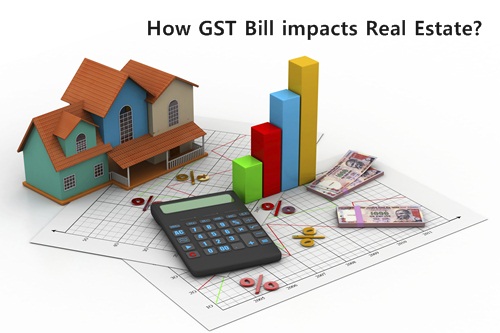
Impact of GST on real estate Sector
Real Estate is one such sector in India that has been growing fast immensely over the years. The direct impact of GST on real estate, in terms of tax outflow for developers as well as consumers will depend upon the final state of GST.
Impact of GST on real Estate Sector
GST can make it possible to bring transparency in the sector of Real Estate. It can also reduce the cost of home ownership. This can also lead to lower compliance costs and input costs for builders. Hence, it is expected that real estate under GST will be ultimately beneficial for both the developers and buyers.
GST in Real Estate will reduce the Compliance Costs, bring efficiency in input costs
The constitutional amendment bill has paved the way for introducing Goods and Service Tax bill and the rules in the parliament. This is definitely a very constructive step that comes in favour of the beneficial factor of the real estate sector overall. Further, the real estate sector has to deal with a several taxes like service tax and value added tax. The passage of GST Bill has the possibility to lead to the reduction in compliance which can bring in efficiency while the credit input for excise duty etc levied on materials like cement, steel etc.
Importance of GST in real estate sector
The present structure of income tax in India consists of a plethora of taxes which are required to be paid and complied with various tax authorities. Moreover, these taxes are not inter – creditable which leads to cascading effect in the supply chain. The introduction of the GST is considered as the biggest reform in India. This entails one effective levy of tax subsuming almost all the union and state indirect taxes. The tax authorities of India have found this implementation very productive and constructive.
The real estate sector has played a major role in contributing revenues for the government at both levels. One of the most complex aspects of the taxes levied by the State and the Centre is the treatment of works contract, land as well as real property. The taxation or implementation of GST on real estate sector has witnessed major and significant changes in taxes over the past few decades. These changes have paved the way to diversified regulations and practices that are being followed in different states.
The significant changes in taxation in Real Estate Sector
- 2006 – Levy of VAT on builders for the first time.
- 2007 – Levy of service tax on works contract under Finance Act.
- 2010 – Construction contracts for all agreements registered after 1/4/2010 to be charged with 1% VAT.
- 2012 – Abatement of 75% or 70% on the total contract price which includes the cost of land
In the proposed GST regime, the restrictions implemented on credit utilization would be eliminated. This actually strengthens the credit chain in the system overall. There is a possibility that there will be increased credits available in the chain of procurement. The tax authorities are trying to utilize this implementation and further utilize the input tax costs towards output GST liability. The developers too can look forward to some increase in their margins as well.
Related Read- GST Compliance Calendar- Important Events and Dates
 Sales Tax For E-Commerce: 3 Things Small Businesses Should Know
 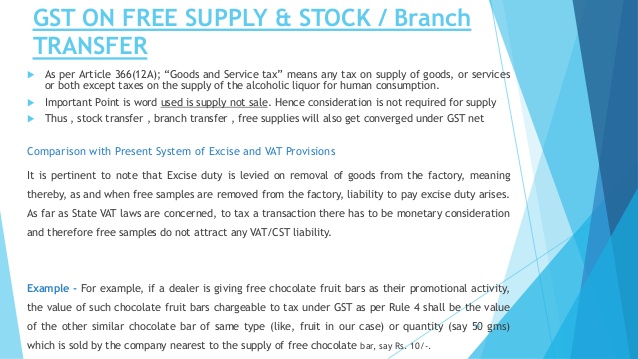 What Is The GST Liability on Free Supply of Goods and Services?
  Some FAQs about GST- Understanding Scope and Provisions of GST
  Understanding the Reverse Charge mechanism under GST and IGST?
  Pros and Cons of GST- Is Ushering in of GST worth Celebrating as media wants us to believe?
  Arrests and Detention Provisions under GST in Detail- Are these justified
  ITAT Amritsar: No Section 269SS Violation for One-Time Cash Payment Before Sub-Registrar
 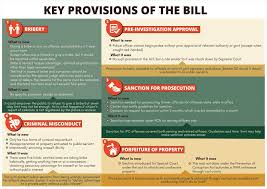 Tax Officials Unleash Digital Dragnet: How New Raid Powers Redefine Privacy, Property Rights in India and likely to Fuel Corruption
  Income Tax Department Rewards for Reporting Tax Evasion: A Comprehensive Guide
  Forfeiture of Gratuity by Employer- What are the Remedies for an employee- Can employer be challenged?